


For many years, Dr. Leila Javidi felt stuck practicing medicine with one hand tied behind her back. The Ohio physician saw more than 20 patients a day, managed a panel of roughly 2,200 people, responded to portal messages late in the night, and spent hours coding. This pace of work left her with little room to think or simply listen to her patients and their needs. Instead of solving their problems, Dr. Javidi told IW Features it felt as though she was always rushing her patients through appointments before sending them off to yet another specialist.
But that’s not why she became a doctor.
“I’m not a referral widget,” Dr. Javidi said.
Today, Dr. Javidi runs a direct primary care (DPC) practice, a system where patients pay a monthly membership fee instead of using the commonplace fee-for-service insurance model. In this structure, she can spend an hour and a half with new patients, answer questions quickly by text, make house calls when needed, and, most importantly, Dr. Javidi says she finally has the time to practice medicine the way she had always imagined it.
“I’m alive again,” she admitted. “I’m using my brain again. I’m helping people again.”
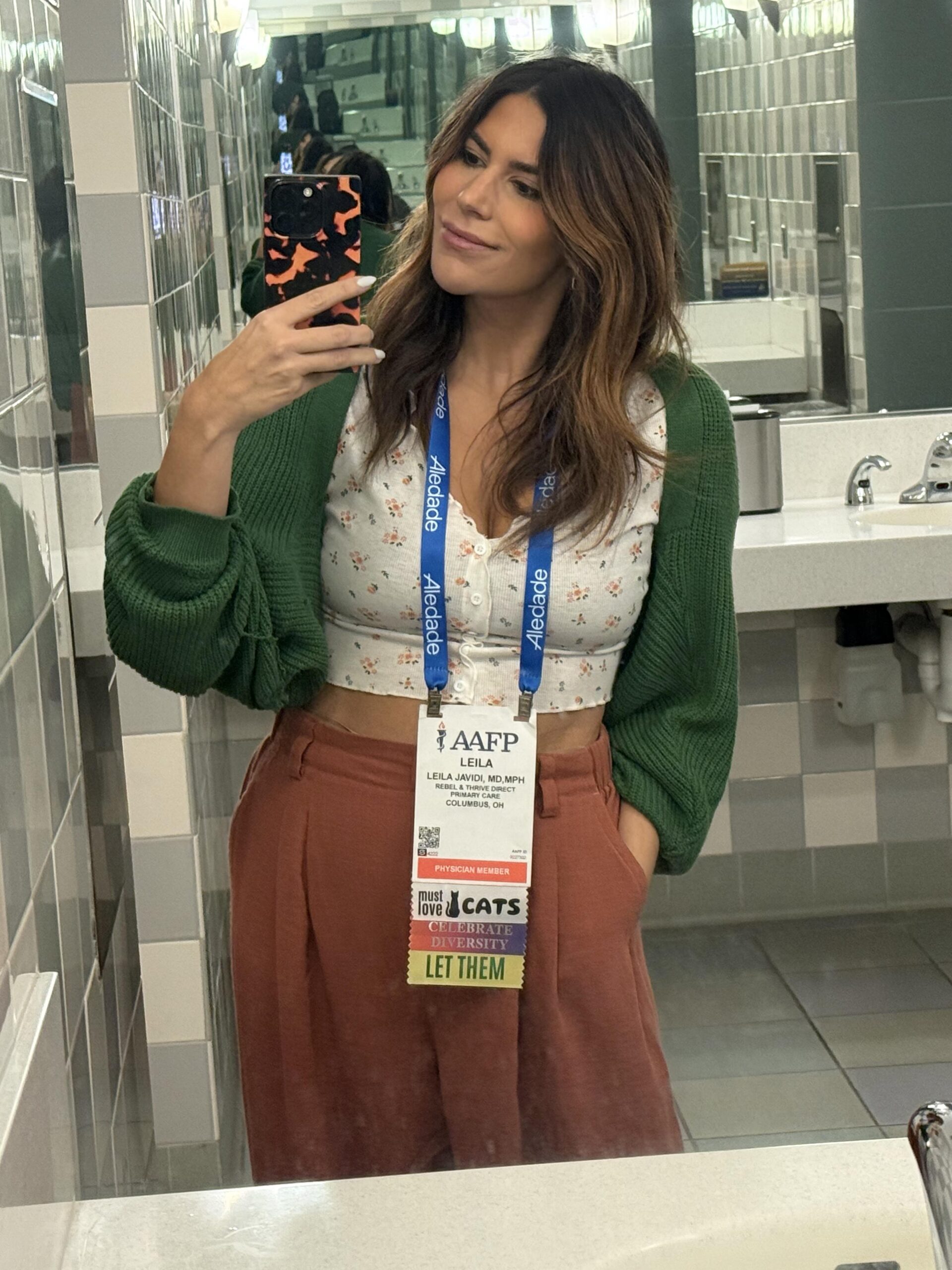

For Dr. Javidi and other DPC doctors, the benefits of DPC go far beyond billing differently for office visits. Both parties benefit, she says, because it’s a return to the doctor-patient relationship she believes modern medicine has unashamedly eroded.
It’s this relationship that motivated her to pursue a career in medicine in the first place.
While in residency as a medical student, Dr. Javidi said she began noticing cracks in the healthcare system. Physicians seemed overwhelmed by administrative work, their appointments were rigidly scheduled, and patients seemed to leave the office without having their questions completely answered. Optimistically, she assumed things would improve once she was out in the field herself.
Instead, they became worse. By the time Dr. Javidi was practicing on her own, she was responsible for roughly 2,200 patients. She recalled days filled with back-to-back appointments and weekends that disappeared in a blur of charting, insurance paperwork, medication refills, and lab results.
“There was just this constant feeling that I was never done,” she said, recalling the laundry list of tasks that followed her home long after she left the clinic for the day. She said she found herself doing hours of unpaid work after seeing patients all day simply to keep up with the demands of her job.
And this workload did more than just affect her schedule. As time went on, Dr. Javidi felt her output dwindling.
“I basically felt like I was losing skill because I no longer had the time to use my brain and to practice shared decision-making,” she said.
Rather than digging into complex cases or walking patients through tough decisions, she recalled feeling pressure to move to the next appointment. This system rewarded volume––not time––which left her with little opportunity for the brand of mindful and individualized care she felt patients deserved.
Making matters worse, the demands of her career were exacerbated by some of the hardest years in her personal life. As she struggled to juggle an impossibly large workload, she also found herself becoming a caregiver for both her mother and her former husband. She recalled an immense emotional weight on her shoulders, but also the need to continue to push forward.
Dr. Javidi had convinced herself she simply needed to work harder, but eventually she realized the problem wasn’t her at all.
“I felt like the system had failed me, and then I was failing patients,” she said. “I didn’t know what to do about it.”
When she finally stepped away from the modern style of practicing medicine, she wasn’t certain what would come next.
“I was in a despondent place,” she recalled.
She said she spent months recovering from brutal burnout and dove into research on alternatives. Ultimately, Dr. Javidi wanted to rediscover why she had wanted to become a physician in the first place. It was during this time that she discovered direct primary care, an increasingly popular model that allows doctors to care for far fewer patients, yet spend more time and care with each one––even outside the confines of quick office visits.
Inspired, Dr. Javidi built a website. Before she left her previous practice, Dr. Javidi had negotiated permission to include the website address in the letter notifying her patients of her imminent departure. More than 150 patients signed up to follow her journey even before she had opened her new practice. And nearly a year later when she finally began seeing patients again, several of those original patients became her first members.
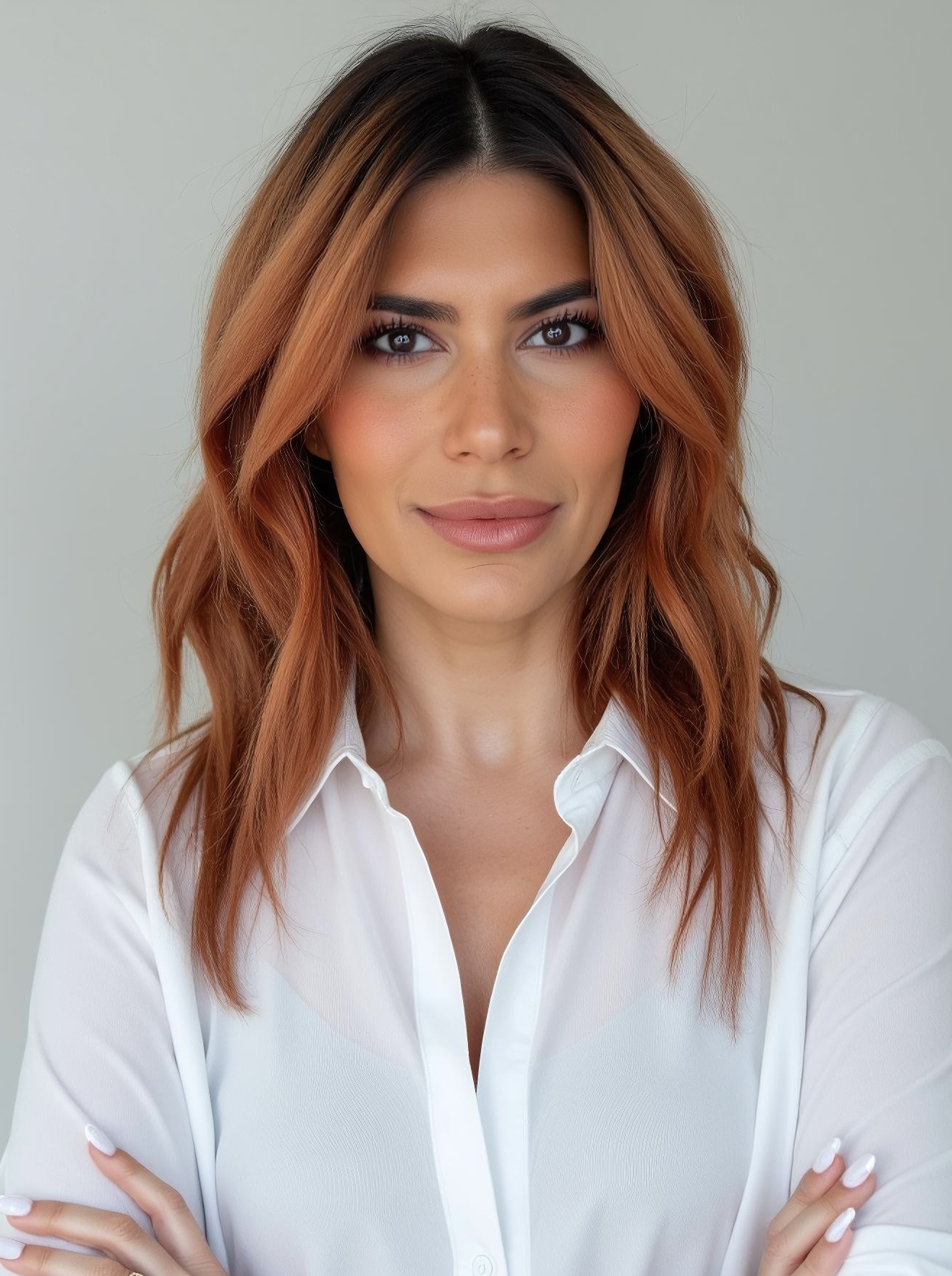
Today, Dr. Javidi runs Rebel + Thrive Direct Primary Care, which prides itself on “patient-centered medicine” and “not just sick-care.” This model “frees me up so my whole day isn’t packed with a bunch of s**t,” Dr. Javidi candidly admitted.
Instead of managing roughly 2,200 patients, Dr. Javidi is growing a smaller practice with intention. And rather than squeezing her patients’ concerns into 15-minute appointments, she gives new patients as much as 90 minutes to walk through their medical history, makes herself available to answer questions quickly by text or call, and taps into flexibility through the membership model that allows her to focus on care rather than billing codes.
One patient, she recalled, reminded her exactly why she had made the leap. The woman developed persistent calf pain. Although Dr. Javidi initially believed it was unlikely to be a blood clot, she didn’t just send the patient to the emergency room and move on with her day. Instead, the two remained in constant communication over days to discuss symptoms, test results, costs, and course of action. Dr. Javidi was able to order imaging, review lab work, and walk this patient through each decision.
The case ultimately proved far more complicated than either expected, as the patient initially tested negative for a clot and later developed bilateral pulmonary embolisms after an undetected clot migrated. Dr. Javidi admitted her clinical judgment was wrong.
“I feel like I let you down,” she recalled telling her patient.
Despite the harrowing turn of events, this patient surprised Dr. Javidi by never losing trust in her.
“She still trusts me,” Dr. Javidi said. “She said to me, ‘I know you have my best interest at heart.”
Dr. Javidi said she believes this trust could only exist because they had spent days making decisions together instead of being disconnected from one another.
“The biggest thing that we get in direct primary care is true access and a true relationship with a doctor that knows who you are and has time to communicate with you like a human adult and give you the facts, give you the differentials. And together you make the decision,” she said.
Conversations like those, Dr. Javidi argued, are simply impossible when physicians are expected to manage thousands of patients at once.
Leaving traditional medicine changed the way Dr. Javidi practiced, and it also changed what she was willing to say publicly. Under the TikTok handle @drleilaissad, she began posting videos about the realities of modern medicine from a physician’s raw perspective. At first, these videos were an outlet for her during one of the darkest periods of her life. But they quickly struck a nerve with patients and healthcare workers who resonated with the frustrations she’d vent about.
“When I was drowning, I would go and doom-scroll just like everybody else,” Dr. Javidi recalled. “All I could see were people talking s**t about their doctors… They were expressing very valid feelings without understanding that it is not the doctor’s fault that something is like that.”
She said she wanted to give people honest takes on what patients rarely see: physicians buried in paperwork, juggling thousands of cases, and feeling burnout from working with a system that often leaves patients dissatisfied by their care.
“We cannot fix the problem if we don’t understand the problem,” she said.
The response to her correcting the narrative was overwhelming.
“I have thousands of messages over the years of people saying, ‘I didn’t know it was this bad,’ or, ‘I didn’t know everybody felt this way,’” she said.
But not everyone appreciated her brutal honesty.
Dr. Javidi said she was investigated by the Ohio medical board after complaints about her TikTok videos. Ultimately, the investigator found no evidence she had violated any professional ethics, but questioned how physicians should carry themselves in an increasingly public digital environment.
“I said, ‘Do you think medicine currently needs more or less authenticity?’” she recalled. “It certainly doesn’t need less authenticity. It needs more transparency. It needs more authenticity.”
Whether seeing patients in her clinic or speaking to hundreds of thousands of viewers online, Dr. Javidi says her goal remains unchanged: she wants to help people understand that fixing healthcare begins with honest discourse about what’s been broken.
“I don’t give an F,” she said. “I feel very strongly about continuing to speak out, and I feel very strongly about the sovereignty of physicians.”
While Dr. Javidi knows direct primary care doesn’t replace insurance and that there will always be a role for specialists, hospitals, and emergency care, what it does restore is something that has become increasingly rare in modern medicine: time, she said—time to listen, research, explain, and earn a patient’s trust before guiding them through major decisions.
“I work for my patient, and my patient gets to decide if it’s worth it,” Dr. Javidi said. “That’s the free market right there.”
As a result, today Dr. Javidi measures success quite differently.
“It’s better medicine. You need time, you need a relationship, you need trust,” she said. “I feel better about it. They feel better about it. Our relationship is so solid and full of trust, but also boundaries.”


This renewed outlook on her career also means there’s no desire to return to the broken system she left behind, Dr. Javidi explained, and she is able to put more energy into revolutionizing the healthcare industry.
“I believe I’m helping to restore the reputation of physicians,” she said. “There’s just no going back.”